Why Electric Cars Are the Future: Benefits, Technology & What’s Next
The Rise of Electric Vehicles (EVs)
The transition from gasoline-powered vehicles to electric cars (EVs) is happening faster than ever. With advancements in battery technology, charging infrastructure, and environmental awareness, more drivers are choosing EVs as their primary mode of transportation. Governments worldwide are supporting this shift through tax incentives, subsidies, and stricter emissions regulations, making electric cars more accessible than ever before.
1. Environmental Benefits of Electric Cars
One of the biggest reasons for the rise of EVs is their positive impact on the environment. Unlike traditional internal combustion engine (ICE) cars, electric vehicles produce zero tailpipe emissions, significantly reducing air pollution and greenhouse gas emissions.
In addition to reducing emissions, EVs also:
• Help decrease dependence on fossil fuels by using electricity, which can be sourced from renewable energy.
• Improve urban air quality, leading to fewer health issues caused by pollution.
• Reduce noise pollution, as electric motors are much quieter than traditional engines.
As the world shifts towards sustainable energy solutions, EVs play a key role in creating a cleaner, greener future.
2. Cost Savings & Lower Maintenance
Many people assume that electric cars are expensive, but in reality, they offer long-term cost savings. Here’s how:
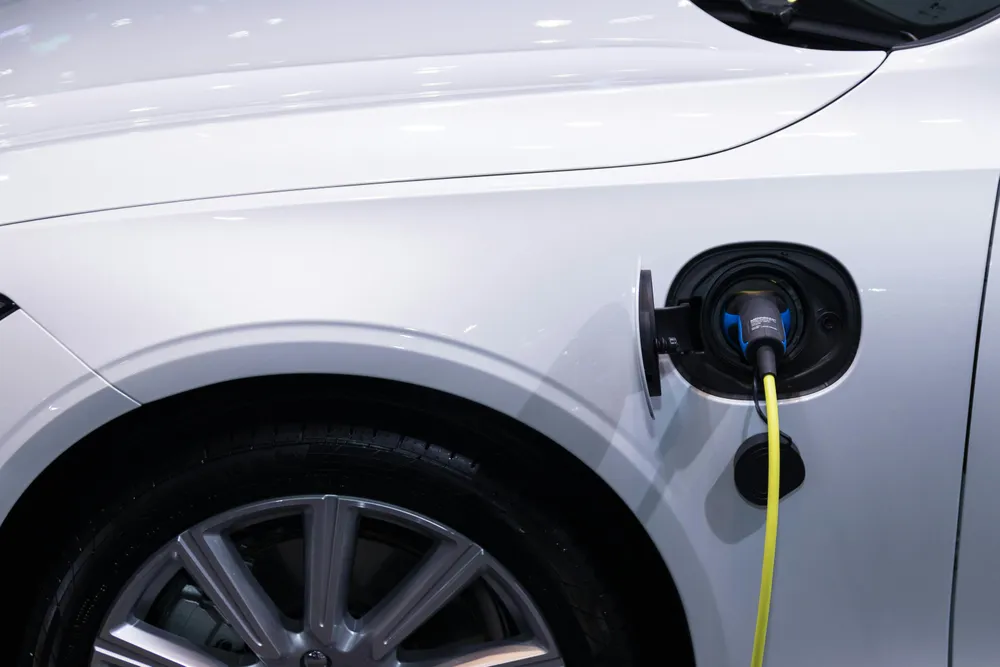
• Lower Fuel Costs: Charging an electric vehicle is cheaper than filling up a gas tank, especially with home charging or off-peak electricity rates.
• Less Maintenance: EVs have fewer moving parts than gasoline cars, meaning no oil changes, no timing belts, and fewer mechanical failures.
• Tax Incentives: Many countries offer government incentives, lower road taxes, and purchase grants for electric car buyers.
While the initial purchase price of some EVs may be higher, drivers save money over time due to reduced fuel and maintenance costs.
3. EV Technology: Fast Charging, Longer Range & Innovation
One of the biggest concerns about EVs used to be range anxiety—the fear of running out of battery power. However, modern electric vehicles now offer longer ranges and faster charging options, making them more convenient than ever.
• Improved Battery Life: Many EVs now have ranges over 400 km per charge, making long-distance travel easier.
• Fast-Charging Networks: Charging infrastructure is expanding rapidly, with ultra-fast chargers able to recharge a battery to 80% in just 20-30 minutes.
• Smart Integration: EVs are integrating with AI, smart home systems, and renewable energy solutions, allowing drivers to monitor and optimize their vehicle’s energy usage.
As battery technology continues to evolve, we can expect even longer driving ranges and shorter charging times in the near future.
4. The Growing Popularity of EVs in Europe
Europe has been at the forefront of the EV revolution, with countries like Norway, the Netherlands, and Germany leading the way in electric car adoption. Governments are investing in charging infrastructure, setting deadlines for phasing out petrol and diesel cars, and offering strong incentives for EV buyers.
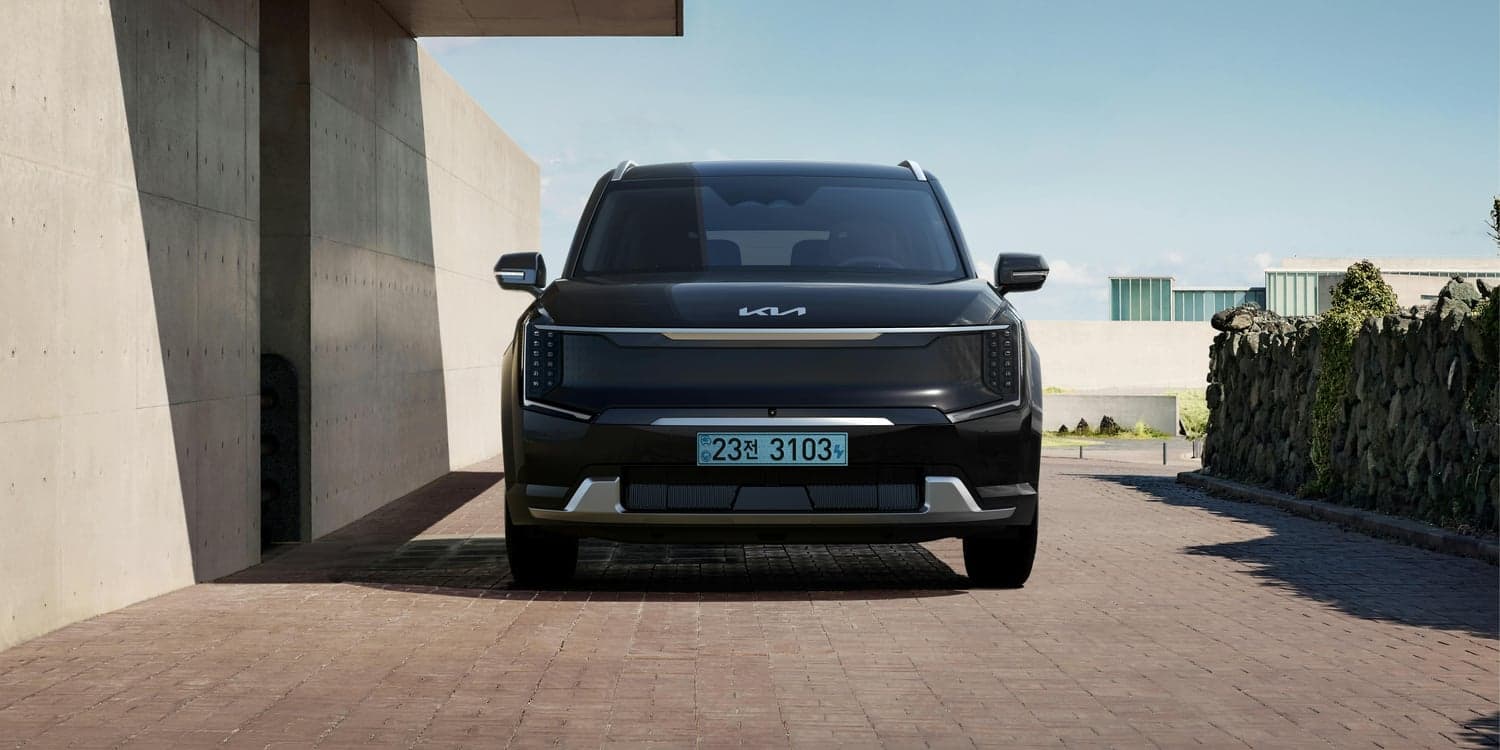
Many popular automakers now offer fully electric models, including Tesla, BMW, Volkswagen, Hyundai, and Audi. With more affordable models entering the market, EVs are becoming a mainstream choice for European drivers.
5. What’s Next for Electric Vehicles?
The future of EVs looks brighter than ever, with several exciting trends shaping the next decade:
• Solid-State Batteries: These next-generation batteries promise higher energy density, faster charging, and longer lifespans.
• Wireless Charging: Charging technology is evolving, with wireless induction charging pads expected to become common in driveways and public spaces.
• Autonomous EVs: Many automakers are investing in self-driving electric vehicles, combining efficiency with cutting-edge artificial intelligence.
• Electric Trucks & Commercial Vehicles: The commercial sector is shifting to electric trucks, buses, and delivery vans, reducing emissions in urban areas.
With these innovations, electric cars will continue to dominate the automotive industry, making gasoline vehicles a thing of the past.
Conclusion: The Future is Electric
Electric cars are no longer just an alternative—they are the future of transportation. With advancements in technology, expanding infrastructure, and increasing affordability, EVs offer a cleaner, smarter, and more cost-effective way to drive. Whether you’re considering an EV for environmental benefits, cost savings, or innovation, there’s never been a better time to make the switch.
Are you ready to drive electric? Explore the latest EV models and discover the perfect fit for your lifestyle!